
Early signs
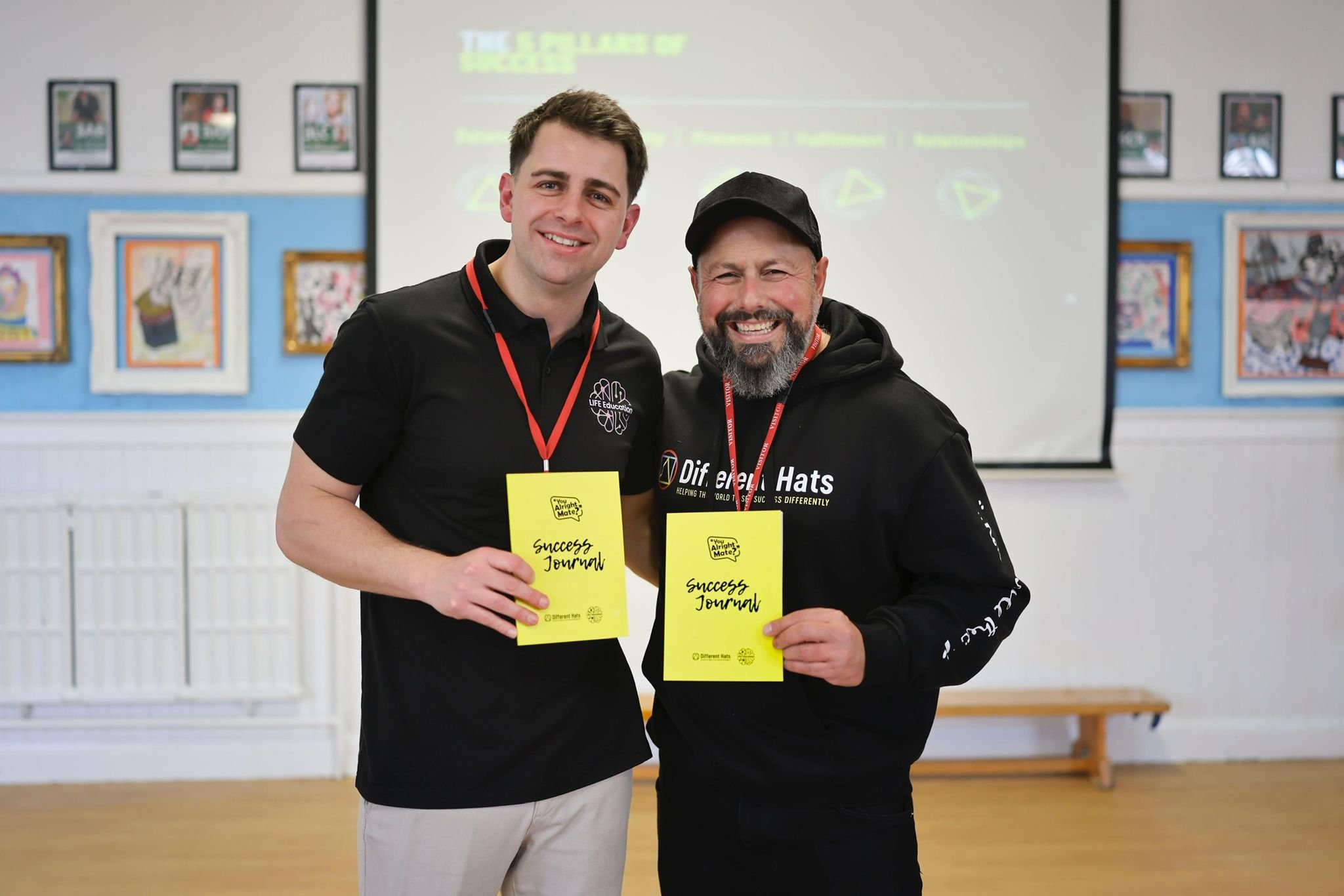
Is the check-in question still being asked, weeks after we've left?
Whether it lasts
What changes in the room. Taking part, language, and how disagreements get handled.
A short self-report in the first and last sessions. Confidence, handling emotions, and how pupils define success.
Before and after
What teachers see
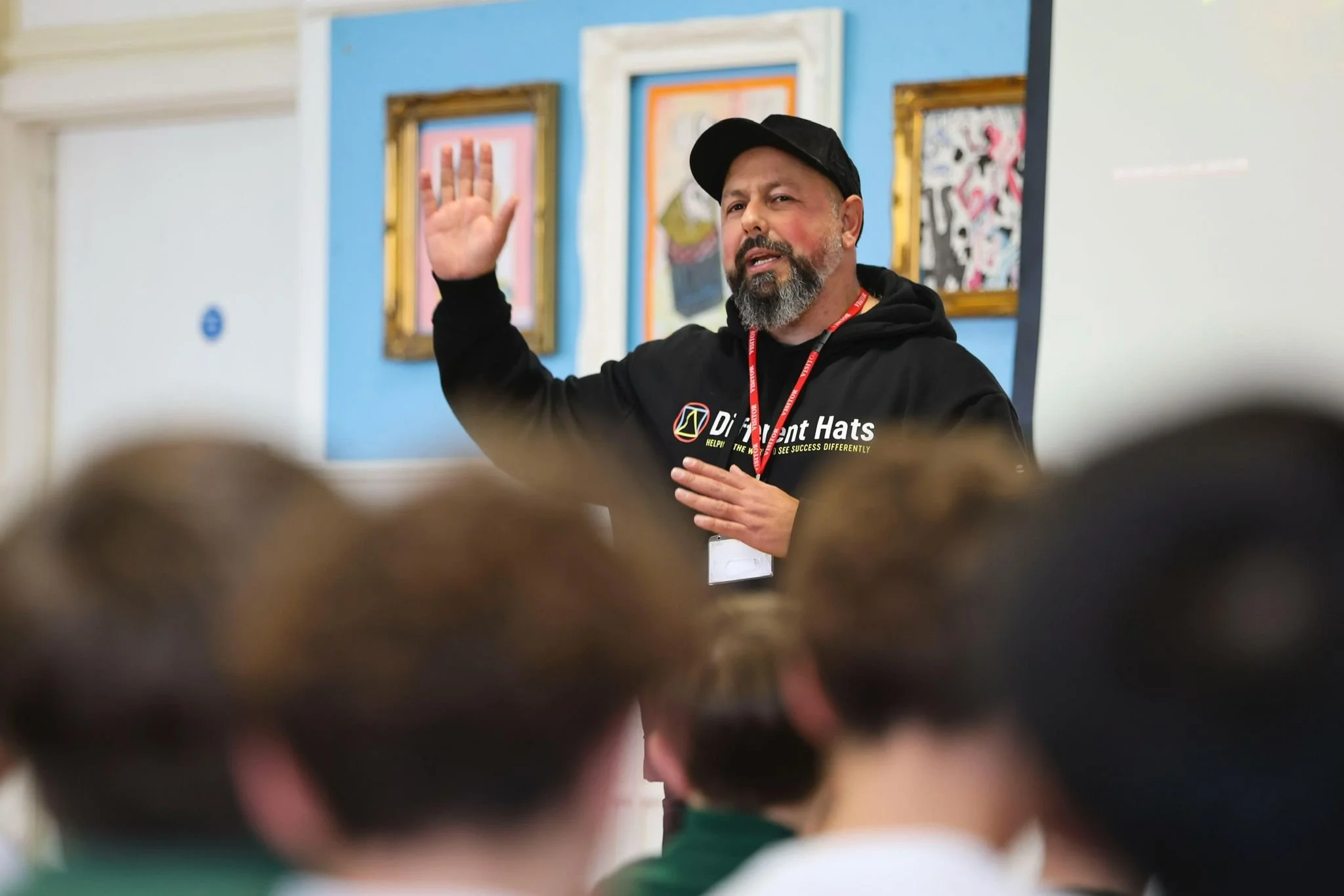
How far it reaches
Pupils, staff and parents reached, and how many programmes supporters paid for.
What we'll look at next
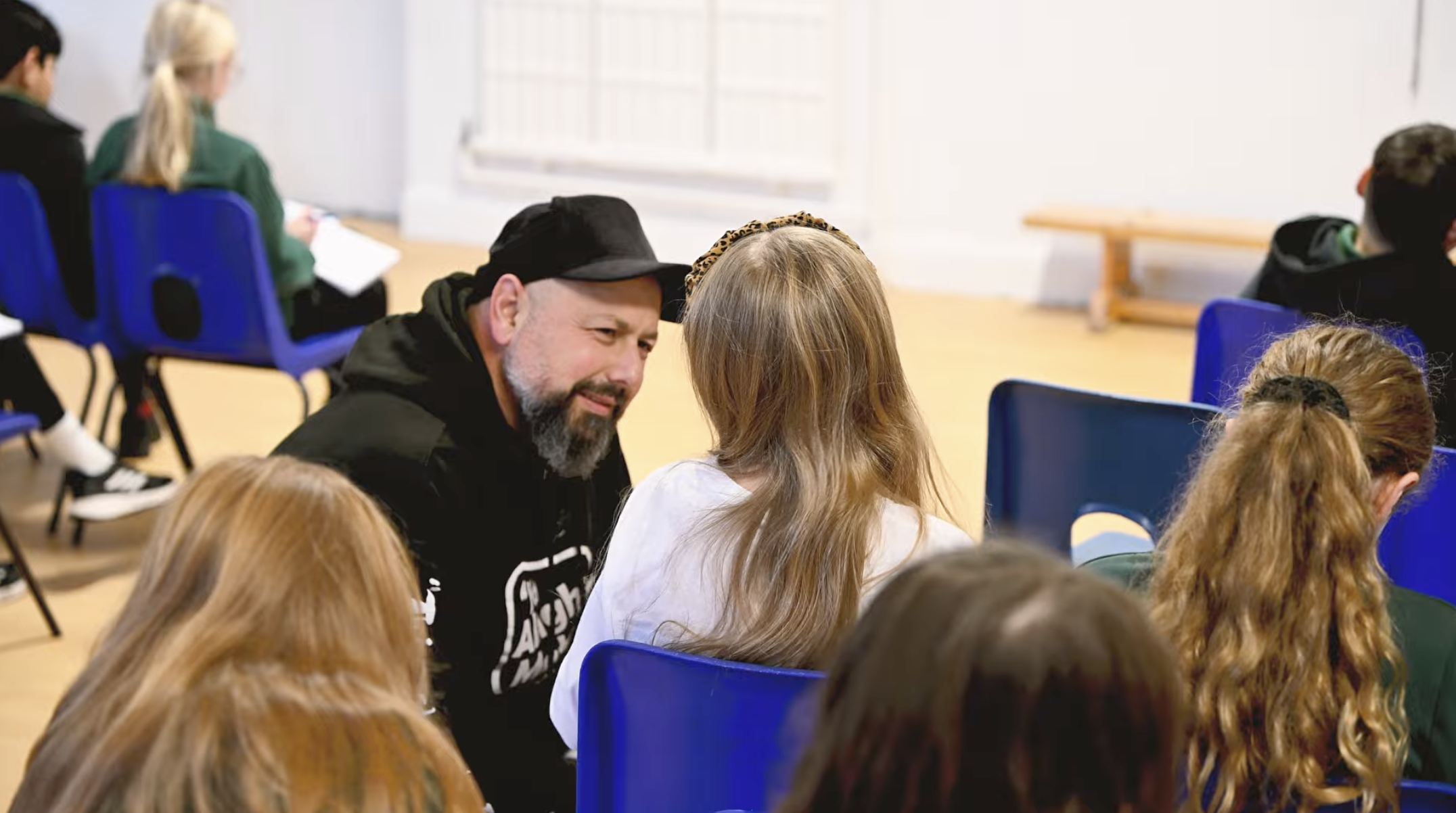
Redefining Success is running in five schools now.
The first programme ran for seven weeks with about 90 primary school children.
In the first session, success meant money, rich and famous.
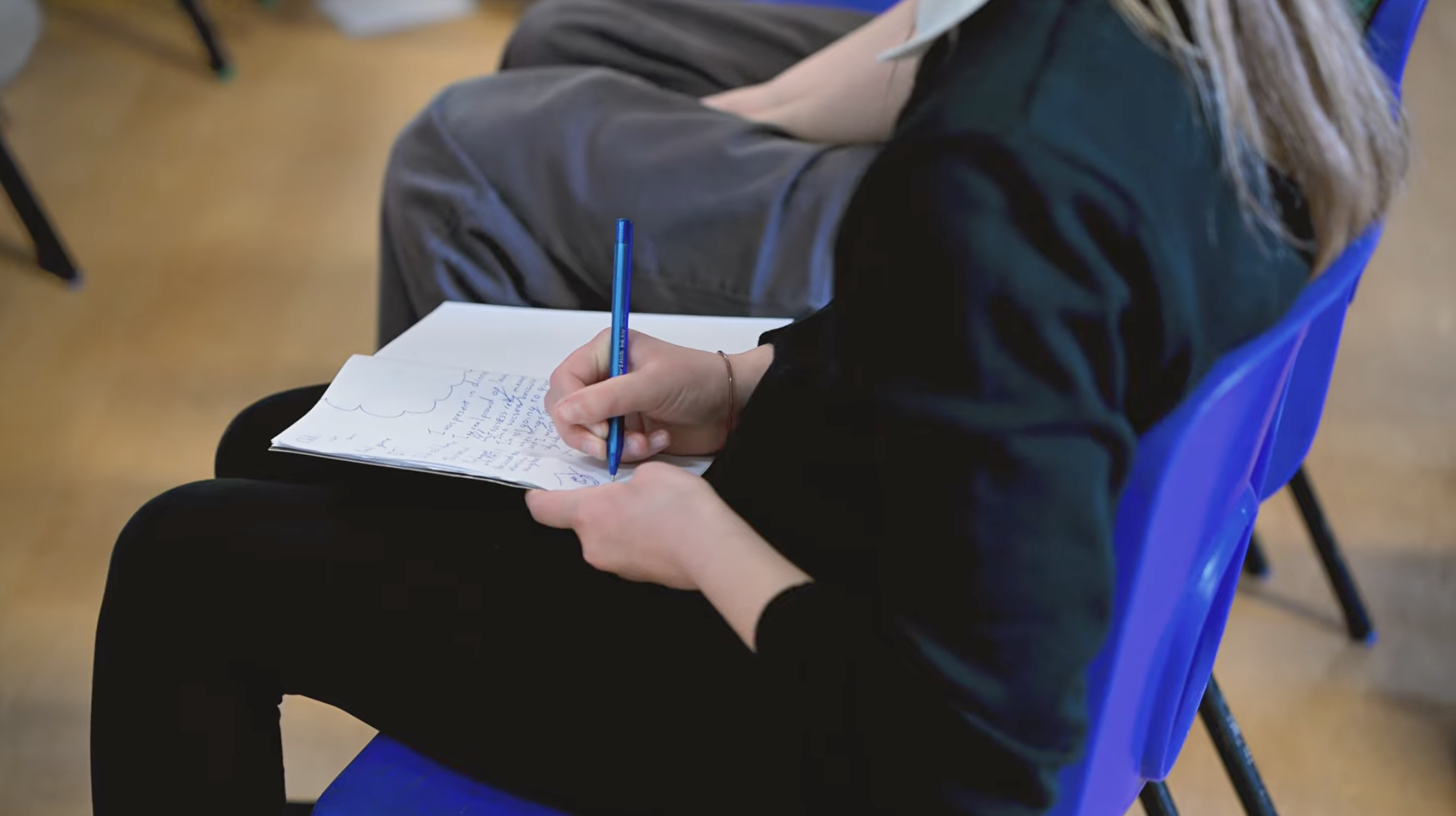
In the last, they wrote to their future selves.
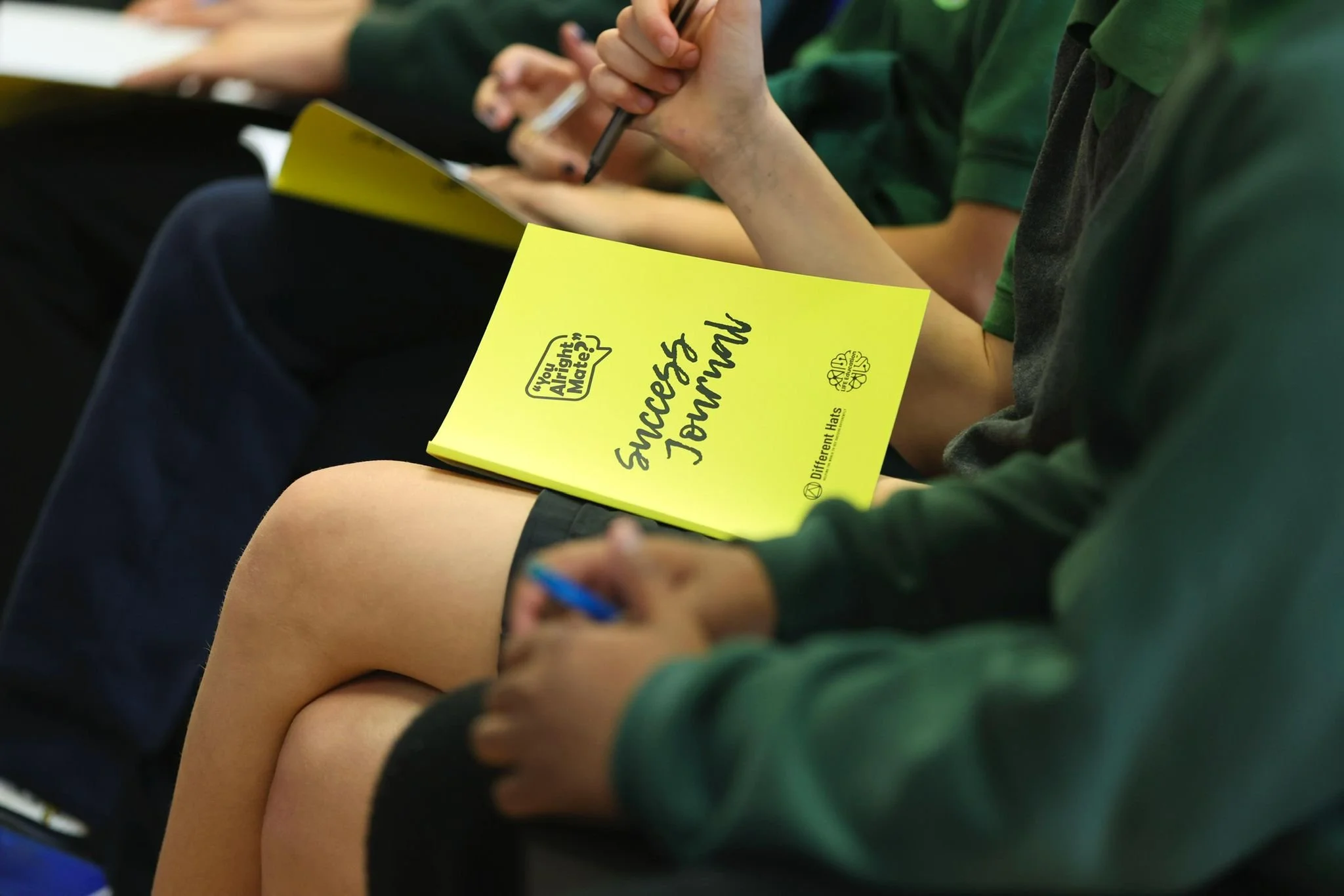
“ Success isn't fame or fortune it's being kind and having strong relationships.”
Year 6 pupil
“I want you to remember that you should always be your amazing wonderful true self.”
Year 6 pupil
These are two children's words, rather than a measured change across the group.
Why we start in Year 6